De optimale kabeldoorsnede wordt met Kabel++ erg gemakkelijk bereikt:
– optimaal voor de laagste de lange duur investering. Dus automatisch zoeken naar het optimale spanningsverlies.
– optimaal voor de laagste procurement. De laagst mogelijke doorsnede maar toch juist op het randje voldoende.
– bewaren en printen zodat in het constructie dossier makkelijk kan worden achterhaald op basis waarvan is berekend.
– alle instellingen en resultaten overzichtelijk op één scherm.
Ook geschikt voor
Windows 10.
De kabelberekening
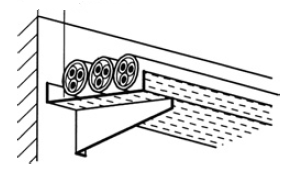
De basis van het programma is het bepalen van de belasting van de kabel bij de op te geven kabelconfiguratie en kabellegwijze via de
tabellen van de NEN-1010, het
spanningsverlies en de
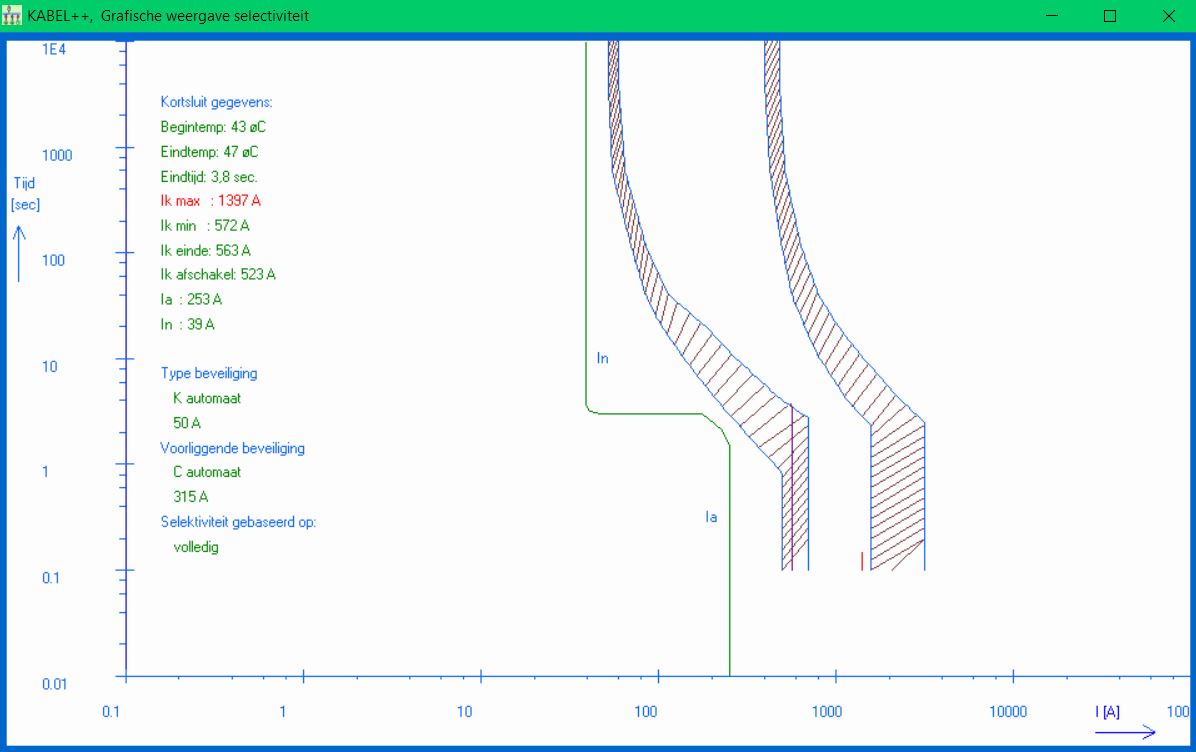
kortsluitlengte, de doorsnede van de kabel te berekenen. Deze kortsluitlengte hangt onder meer af van de geselecteerde smeltveiligheid of automaat, en onder andere het feit of de kabel een afgeschermde uitvoering is. Zo hangt het spanningsverlies af van de werkelijke belasting van de kabel. Daarnaast hangt het af van de schakeling van de voeding of motorveld.
Als invoer voor de kabelberekening wordt door de gebruiker opgegeven het motor-asvermogen(kW) of de ontwerpstroom.
De kabeldoorsnede loopt van 0,25 mm2 tot en met 2500mm2.
Als voor het type belasting een motor is gekozen, dan selekteert het programma een
standaard motor en berekent daarvan het rendement en beschouwt de aanloopstroom in relatie met de wijze van aanloop (direct, softstarter, frequentie omvormer), en kiest de waarde van de smeltveiligheid of automaat.
Doordat alle gegevens in één enkele overzichtelijk scherm opgenomen zijn, kan met de parameters worden gespeeld en worden gezocht naar een zo gunstig mogelijke kabel. Door te ‘spelen’ kan bijna altijd een goedkopere kabel worden gevonden!
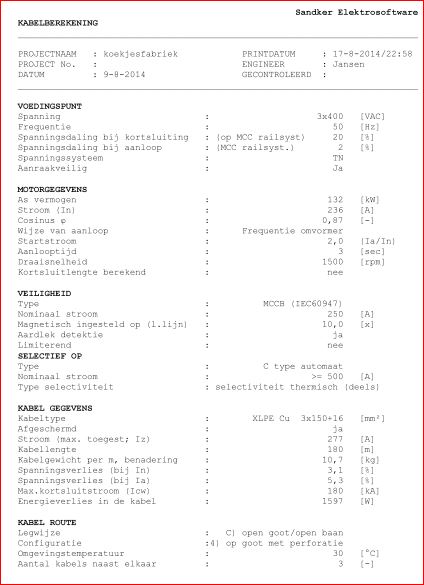 Afdruk
Uiteraard kunnen de berekende waarden worden geprint in een uitgebreide presentatie:
Helpteksten
Het programma
KABEL++ is rijkelijk voorzien van forse helpteksten in de vorm van zogenaamde hints die verschijnen als de gebruiker met de muis een aantal seconden op een invoerveld rust. Op deze manier wordt de gebruiker begeleid naar de beste keuze van de kabel voor prijs en belasting. Aan deze helpteksten die zonder extra knoppen actief wordt is veel aandacht besteed.
Kabels parallel:
In het geval een enkele kabel niet te selecteren valt (>240 mm2), wordt automatisch overgegaan op parallelle kabels.
Grote doorsneden:
De grootste doorsnede is in principe 240 mm2 sterkstroomkabel. In de advanced versie kan de doorsnede echter tot 2500 mm2 bedragen, mits hiervoor een vinkje wordt aangevinkt. De minimumdoorsnede is 0,25 mm2.
Smeltzekeringen en automaten
Het programma wordt geleverd met een groot aantal karakteristieken van smeltzekeringen en automaten,
– zowel fabrikaten zoals ABB, Schneider, Siemens, Eaton, Hager, als
– normkarakteristieken zoals de B,C,D en de K karakteristiek,
– normkarakterstieken zoals gG, gL en aM smeltveiligheid,
– en electronische trip.
De gebruiker kan deze zelf uitbreiden. Ook zijn een aantal bijzondere beveiligingen opgenomen.
– Zo is voor de openbare verlichting de Pro-tec opgenomen,
– en voor de beveiliging van een generatorkabel is een differentiaalbeveiliging opgenomen (o.a. de Selco-T2900 of de Woodward MRD)
– Voor o.a. Transformatoren zijn de inverse thermische karakteristieken conform IEC 60255-3 opgenomen,
– en voor motoren de NEMA thermische trip karakteristieken.
Aantal fasen en gelijkspanning
Het programma kan met zowel 1 als 3 fase sterkstroom als met gelijkspanning omgaan bij alle mogelijke voedingsspanningen.
Kabelsoorten
Diverse kabelsoorten zijn opgenomen, voornamelijk opgebouwd uit
koper en
aluminium voor de geleiders en voor de isolatie XLPE, PVC, EPR en rubber. Gestandaardiseerde codes die op deze materiaalsoorten zijn opgebouwd zijn: HO7, HO5, HD604, N2XH-O/J, N2X,
NY, YmvK, YmvKas, VmvK, XmvK, en rubbersoorten als HO&RN, HO7BQ, NSSHOU, RmcLz en MPRX voor toepassing op schepen. Dergelijke kabels worden gefabriceerd door een kabelfabriek als o.a. Draka, TKF, VKF, Hof, IPTE.
Ook Belgische soorten zoals XVB zijn aanwezig.
Uiteraard zijn ook de (hoogspanning-) middenspanningskabels opgenomen.
Kastbedrading
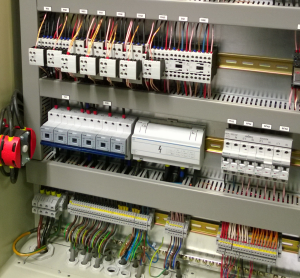
Wat vaak de sluitpost is, de doorsnede van de bedrading in de kast voor elke afgaande groep bepalen. kabel++ presenteert in elke afdruk van het berekeningsresultaat ook de doorsnede van bedrading in de kast voor de betreffende afgaande groep. De doorsnede van de kastbedrading of montagesnoer wordt dan berekend voor zowel losse bedrading als voor bedrading die in een draadgoot ligt. Het programma kiest dan uiteraard automatisch voor VD installatiedraad, montagesnoer.
Harmonischen, TL en led verlichting
Kabels die TL verlichting voeden, en dan met name voor assimilatie, hebben te maken met een extra opwarming van de kabel ten gevolge van de hogere harmonischen die deze verlichting veroorzaakt.
Laadpaal
Een kabel naar een laadpaal voor elektrische auto’s zal in de meeste gevallen voor 3,7 kW 1 fase worden uitgelegd en als 11 kW met een 3 fase kabel. In Kabel++ berekent u deze kabel op een eenvoudige wijze. Instellingen zijn bij voorkeur een automaat type B en spanningsverlies 3% zodat er nog ruimte is voor spanningsverlies over de laadkabel.
Zonnepanelen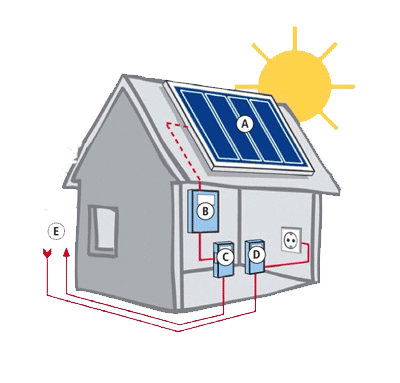
Kabel++ is voorzien van een wizard om gemakkelijk de instellingen voor PV-systemen door het programma zelf te laten doen,
waarop na het inrekening brengen van het rendement van de omvormer, de invloed van het werkelijk vermogen t.o.v. het piekvermogen van de panelen, de kabel wordt berekend. In de wizard wordt u ook gevraagd of het de bekabeling in de PV-installatie vòòr of achter de omvormer betreft.
Aangezien de zonnenpanelen geen kortsluitstroom kunnen leveren, wordt de kortsluitstroomberekening specifiek uitgevoerd.
Een speciale module is toegevoegd om een PV array door te rekenen qua doorsnede, de Impp, Isc en de Umpp. De keerstroom, ofwel toegestane retourstroom wordt eveneens beoordeeld. Ook wordt berekend of overspanningsbeveiliging moet worden toegepast (IEC 62305-2).
ECOadvies

Optimale kabeldoorsnede versus energieverlies in de kabellengte.
Hoe dikker de kabel des te lager het spanningsverlies en dus minder energieverlies t.g.v. de ontwerpstroom. Echter een grotere kabeldoorsnede gaat ten koste van een hogere investering. Hier moet dus een balans voor worden gevonden.
EMV (niet in de Light versie)
Een kabel wordt niet continue belast, maar bijvoorbeeld maar 4 uren per dag op 50% van de last en 1 uur op 80% van de ontwerp last. Een goed ECO advies kan dus niet worden gemaakt enkel vanuit de kabelprijs en het spanningsverlies. Daartoe beschikt Kabel++ over een
EMV (economisch meest voordelig) berekening om de optimale situatie te zoeken.
Ten aanzien van de huidige trend naar duurzame groene energie -duurzaamheid en CO2 besparing- is deze optie zeer aan te bevelen.
LCA, EPD, BREEAM
We willen meer doen aan een duurzame aarde. De doorsnede van een duurzame kabel wordt niet meer bepaald door het meest economisch, (energieverlies in de kabel over de hele gebruiksduur versus de aanschafkosten van een kabel), maar door de CO2 belasting of recyclebaarheid. In Kabel++ is daartoe een LCA berekening toegevoegd die de CO2 belasting vanaf fabrikage tot eindgebruik berekend. Op basis van deze gegevens kan de Eco module nu gebruikt worden om de optimale kabeldoorsnede te bepalen uit de CO2 belasting versus doorsnede.
Kortsluitstroom
De kortsluitstroom is direct na de kortsluiting asymmetrisch en groot. Via subtransiente waarde daalt de kortsluitstroom naar de statische waarde. Daarnaast maakt het uit of de kortsluiting tussen de fasen is, tussen fase en aarde, al of niet een kleinere aardrdaad dan de fasedraad. Tevens moet rekening worden gehouden met de terugwerking van inbedrijf zijnde motoren waardoor de kortsluitstroom groter wordt.
Functiebehoud
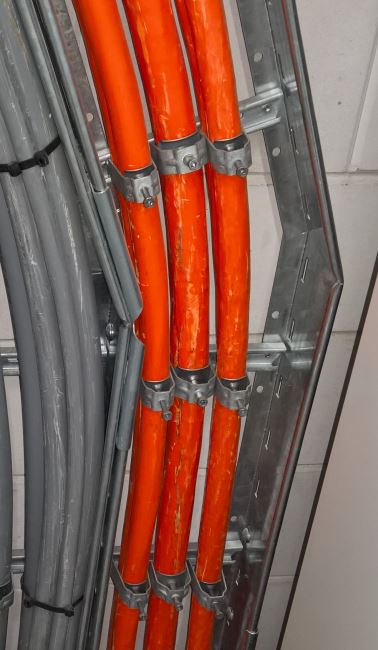
Kabels voor functiebehoud moeten ook tijdens brand hun functie kunnen blijven uitvoeren.
Eisen t.a.v. functiebehoud zijn opgenomen in de NEN-2575 en de NPR-2576 en te voldoen aan de DIN-4102 en de EN-50200. In de database met kabels zijn enkele kabeltypen t.b.v. kabels met functiebehoud opgenomen.
T.a.v. de hoge temperatuur kan in Kabel++ worden opgegeven hoe met spanningsverlies en kortsluitlengte rekening gehouden moeten houden.
Kabels voor functiebehoud worden vaak oranje uitgevoerd en worden bij voorkeur in een aparte kabelgoot gelegd dan wel minimaal 500 mm diep in de grond. Volgens de nederlandse norm zou de kleur rood moeten zijn.
Voor de aanduiding wordt de brandduur uitgedrukt in E30, E60 E90 of FB30, FB60, FB90, ofwel de laatste is 90 minuten geschikt om te blijven functioneren. Daarnaast moeten de kabel moeilijk brandbaar (IEC 60332-3) zijn en halogeenvrij (IEC-60754/IEC-61034).
Brandwerend
Brandveiligheid krijgt een steeds grotere aandacht. Vanaf 1 juli 2017 is de europese EN 50575 van kracht en is het voor praktische toepassing uitgewerkt in een CPR. De EN-50575 geeft eisen aan brandgedrag van kabels. In Nederland is dat verwerkt in de NTA-8012. Voor in principe elke kabel moet een de bestendigheid tegen brand worden bepaald en bij de bestelling worden meegegeven.
In Kabel++ is een keuze formulier opgenomen waarmee u de klasse voor de brand en rook eenvoudig kunt bepalen. In de afdruk van de berekening wordt de keuze mee afgedrukt.
Voor meer info zie ook bij het
Norminstituut
Aanraakveilig
Kabels moeten tegen kortsluiting worden beveiligd. Een kortsluiting naar het omhulsel van het apparaat moet een veilige spanning hebben. De beveiliging moet tijdig afschakelen. De belgische Arei kent de coden BB1 en BB2. Voor de NEN1010 is de tabel 41A van toepassing.
Domotica
Voor lange kabels, ook indien de ontwerpstroom laag is, zal een kabelberekening moeten worden gemaakt. Bij langere afstanden komt de kortsluitlengte in het geding. Dit zal met name van belang zijn als de domotica is verspreid over meerdere gebouwen.
Voor de berekening van de kabelgootvulling is de aanschaf van de module +LK interessant.
Skin effect, Milliken
Bij frequenties hoger dan 50 Hz, of doorsneden van 300 mm2 en hoger gaat het skin effect meetellen. Kabel++ houdt daar uiteraard rekening mee. In aanvulling kan voor Milliken ingesteld worden om het skineffect deels teniet te doen.
Supergeleidend
In Kabel++ is een keuze voor het berekenen van de doorsnede van een supergeleidende kabel opgenomen. De berekening is weliswaar experimenteel, maar geeft wel een indruk.
De kabels worden aangeduid met HTSC High Temperature Super Conducting, ook wel aangeduid met HTS. De lage temperatuur wordt bereikt door een cyrogene mantel om de aders aan te brengen.
Voordeel van een HTSC kabel in de grond is het ontbreken van opwarming van de grond en van magnetische velden t.g.v. de constructie van de aderopbouw. De toepassing van supergeleidende kabel is op dit moment voor niet al te grote afstanden in drukbebouwde omgeving.